· Databases · 2 min read
The Physics of Billion QPS
What does it actually take to scale MySQL to a billion queries per second? A deep dive into the architecture, trade-offs, and lessons learned at Meta scale.
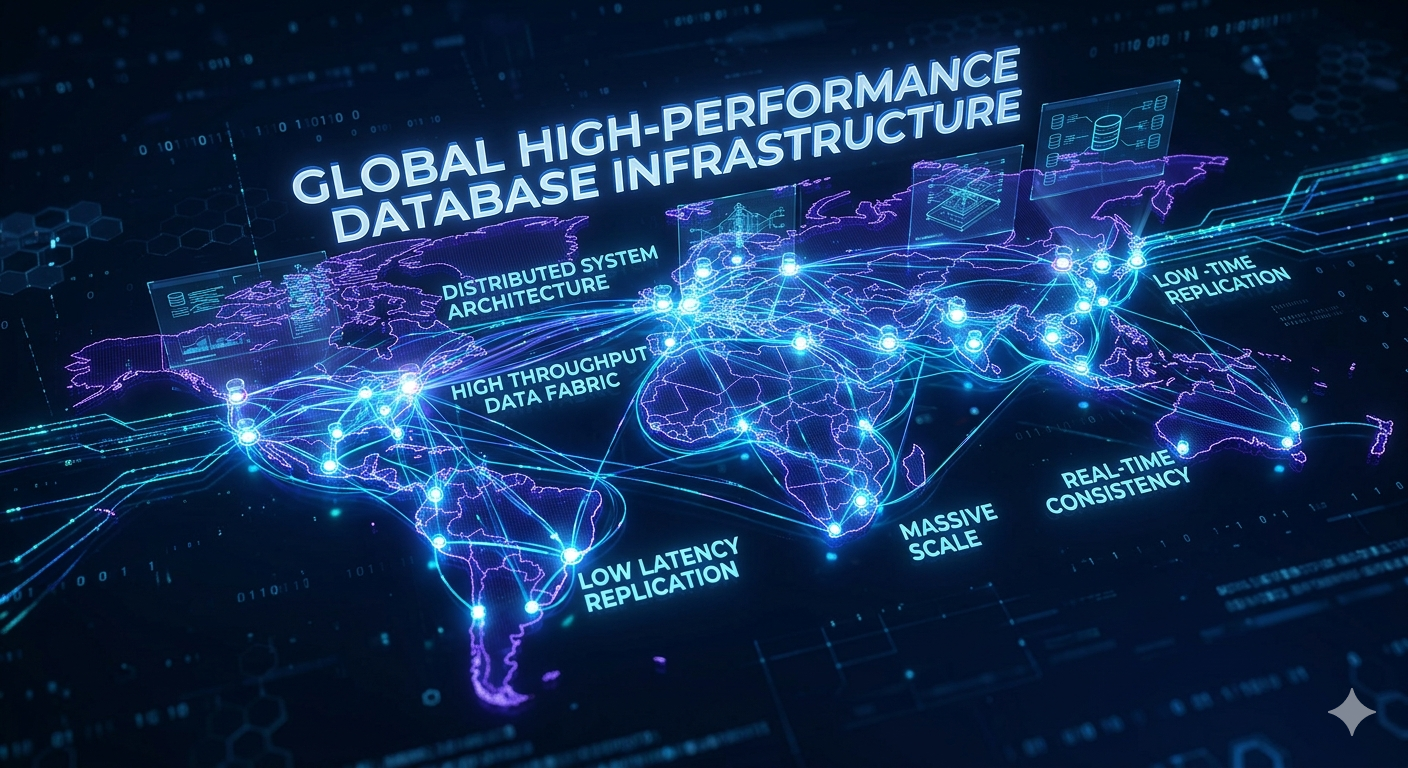
The Physics of Billion QPS
When people hear “a billion queries per second,” the number feels abstract. Let me make it concrete.
The Scale Problem
At Meta, MySQL isn’t just a database — it’s the backbone of the social graph. Every like, comment, message, and story triggers queries that fan out across thousands of database instances.
SELECT user_id, post_id, reaction_type
FROM reactions
WHERE post_id IN (
    SELECT post_id
    FROM feed_items
    WHERE user_id = ?
    AND created_at > NOW() - INTERVAL 24 HOUR
)
ORDER BY created_at DESC
LIMIT 100;
This single feed query, multiplied by billions of users, is where the physics of scale begins to matter.
The Architecture
Scaling to billion QPS requires rethinking every layer:
// Connection pooling at scale - every microsecond counts
type ConnPool struct {
    mu       sync.RWMutex
    conns    []*sql.Conn
    maxIdle  int
    maxOpen  int
    lifetime time.Duration
}

func (p *ConnPool) Get(ctx context.Context) (*sql.Conn, error) {
    p.mu.RLock()
    if len(p.conns) > 0 {
        conn := p.conns[len(p.conns)-1]
        p.conns = p.conns[:len(p.conns)-1]
        p.mu.RUnlock()
        return conn, nil
    }
    p.mu.RUnlock()
    return p.newConn(ctx)
}
Key Lessons
- Caching is not optional — At this scale, every query that hits disk is a failure mode.
- Replication topology matters — The difference between a star and tree topology is the difference between 100ms and 10ms p99.
- Schema design is forever — At billion QPS, ALTER TABLE is a multi-week project.
What’s Next
In upcoming posts, I’ll dive deeper into:
- Query optimization patterns at Meta scale
- How we handle schema migrations without downtime
- The replication strategies that make billion QPS possible
This is the first in a series on database engineering at extreme scale. Stay tuned.